Preventing Water Damage in Marietta Homes
Practical preventative maintenance checklist for North Georgia homeowners to protect roofs, plumbing lines, appliances, and foundation drainage.
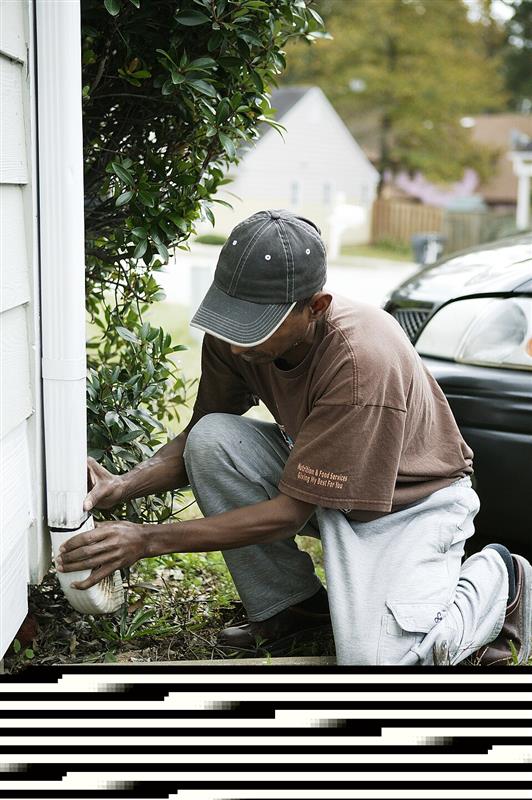
Strategies for Preventing Water Damage in Marietta Homes
Water damage is one of the most common and costly property losses experienced by North Georgia homeowners. Heavy summer thunderstorms, freezing winter temperature drops, aging household plumbing, and unaddressed foundation drainage issues can lead to unexpected water intrusion.
Taking proactive preventative maintenance steps protects structural subflooring, finished drywall, furniture, and foundation framing while avoiding costly emergency restoration projects.
Appliance Supply Line & Indoor Plumbing Inspection
Indoor plumbing failures—especially from pressurized appliance lines—are a primary cause of high-volume residential water damage:
Braided Stainless Steel Washing Machine Hoses
Replace traditional rubber washing machine hoses with flexible braided stainless steel lines. Stainless steel casing resists pressure spikes and prevents sudden hose bursts.
Water Heater Flush & Expansion Tank Checks
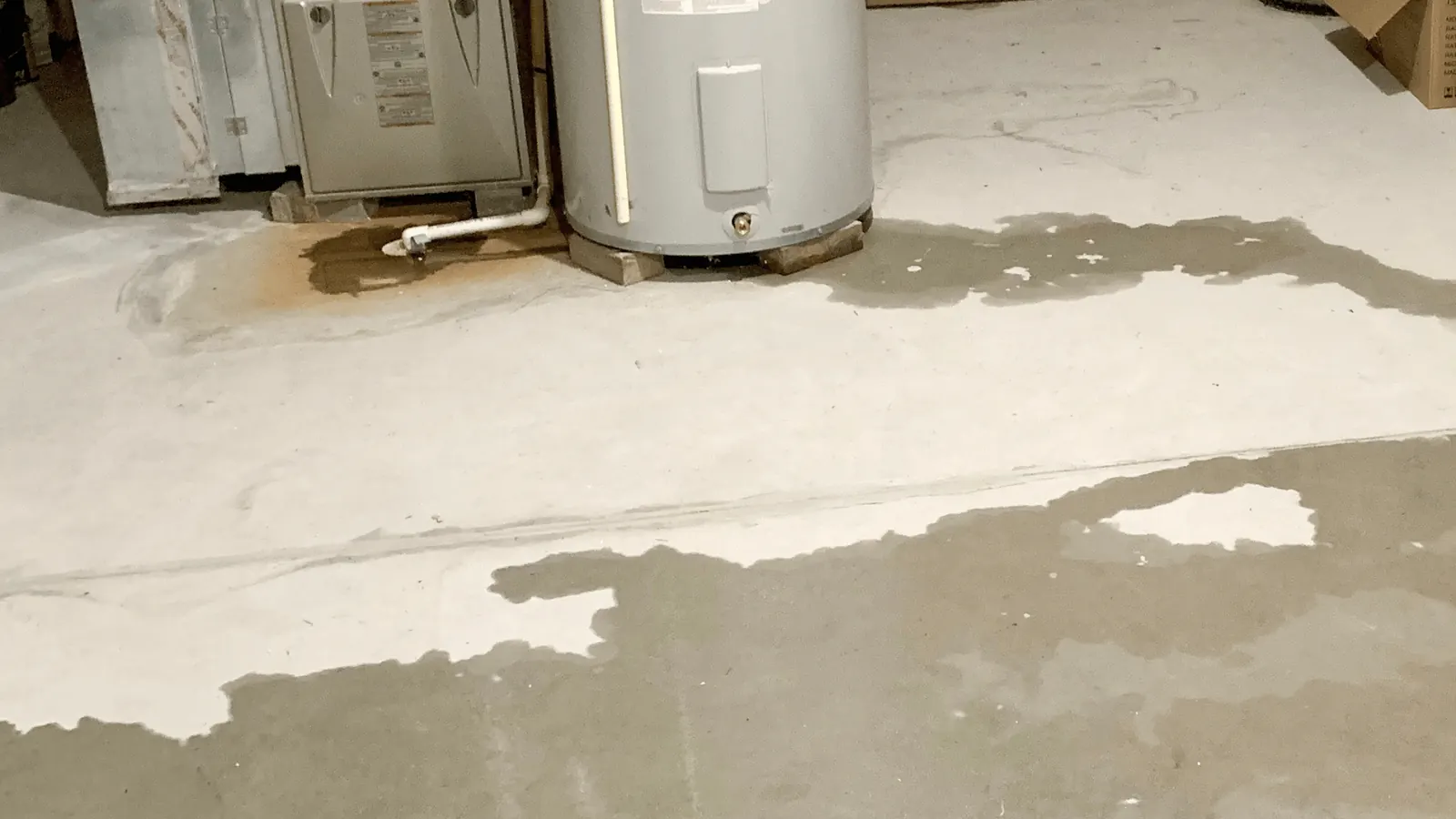
Inspect water heater tanks for lower seam rust, corrosion, or slow valve leaks. Flush mineral sediment periodically according to manufacturer maintenance guidelines to preserve tank liner integrity.
Refrigerator Ice-Maker Tubing & Dishwasher Connections
Check plastic ice-maker supply tubing behind refrigerators periodically for brittleness or hairline leaks. Brittle plastic tubing can crack silently, dripping water beneath kitchen subflooring for weeks.
Exterior Drainage & Roof Gutter Maintenance
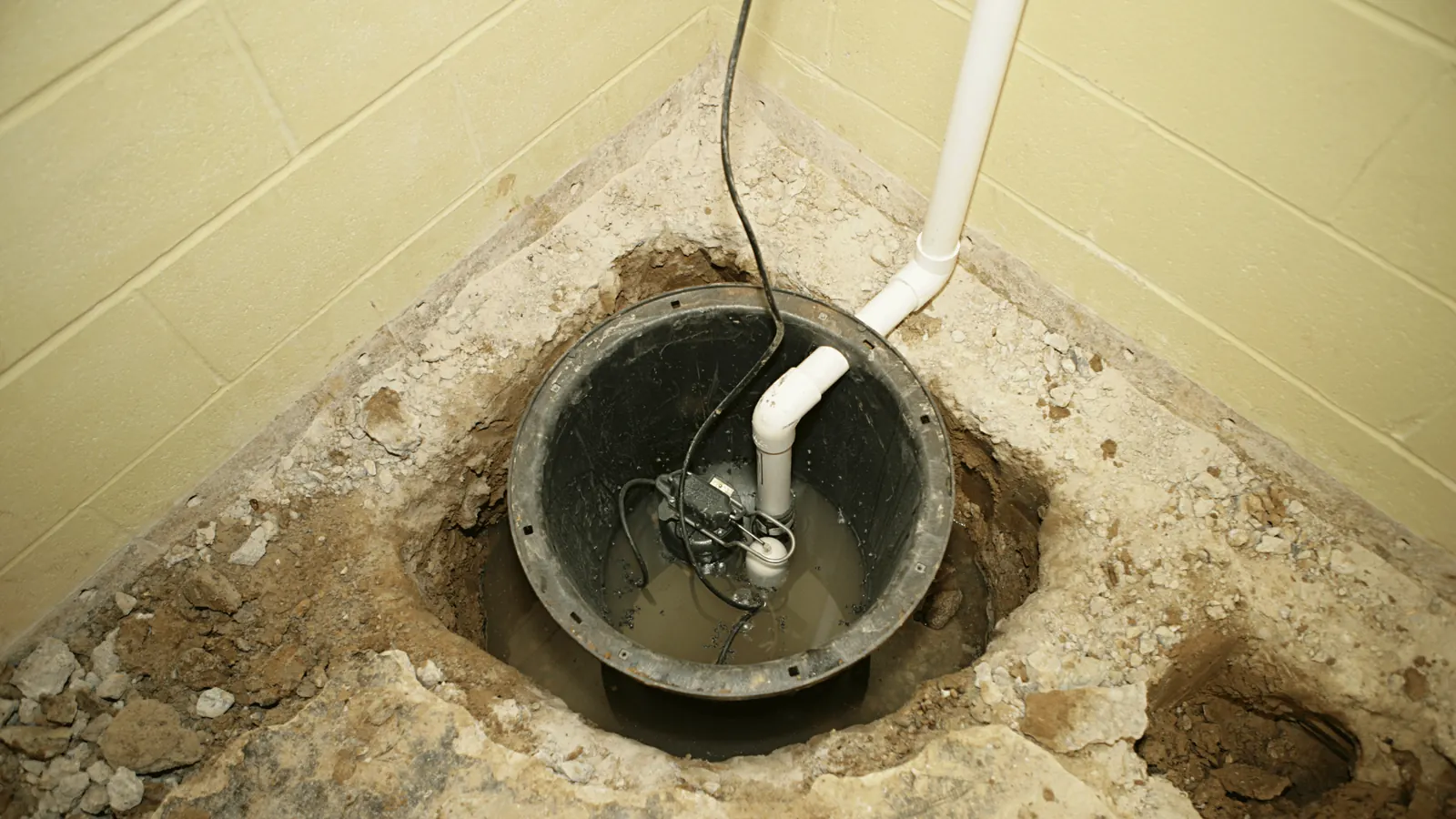
Managing rainwater runoff around the perimeter of your home prevents foundation soil saturation and basement seepage:
- 1.Seasonal Gutter Cleaning: Clear leaves, pine needles, and debris from eavestroughs regularly to prevent roof water overflow.
- 2.Downspout Extensions: Install downspout splash blocks or underground piping to discharge roof runoff sloped away from exterior foundation footings.
- 3.Soil Lot Sloping: Maintain positive soil grading sloped downward away from perimeter masonry walls to prevent standing rainwater accumulation.
Smart Water Shutoff Valves & Moisture Sensors
Installing automatic water shutoff systems provides 24/7 protection against undetected leaks:
Wireless moisture sensors placed near water heaters, washing machines, kitchen sinks, and crawl space low points communicate with automatic main shutoff valves. When liquid water touches a sensor, the automatic main shutoff valve triggers to stop water flow and mitigate catastrophic damage even when property owners are away.
When to Call a Professional for Water Damage Mitigation
If preventative measures fail and water intrusion occurs, professional mitigation is recommended under the following criteria:
- Standing water affects subfloor joists, concrete slabs, or finished lower levels.
- Ceilings or wall bays exhibit moisture staining, paint peeling, or drywall sag.
- Water intrusion has been present un-extracted for longer than 24 to 48 hours.
Frequently Asked Questions About Water Prevention
How often should appliance water supply lines be replaced?
Appliance water supply lines should be inspected and replaced periodically per manufacturer guidance, upgrading standard rubber hoses to flexible braided stainless steel supply lines to prevent sudden pressure bursts.
What is the most effective way to prevent basement water pooling?
Ensure roof downspouts discharge rainwater away from exterior foundation footings and maintain clean gutters to prevent perimeter soil saturation.
How do smart water leak detectors work?
Smart moisture sensors placed near water heaters, dishwashers, or washing machines detect liquid water and trigger automatic shutoff valves or send instant smartphone alerts.
Why should crawl space foundation vents be inspected seasonally?
Unconditioned foundation vents in humid climates allow moist summer air to enter, which condenses on cool floor joists and ductwork beneath main living areas.
Related Guides
Marietta Service Hubs
Water damage restoration services are available across Cobb County municipalities:
Complementary Restoration Services
Explore additional specialized water damage, sewage, pipe repair, and flood cleanup services in Marietta.
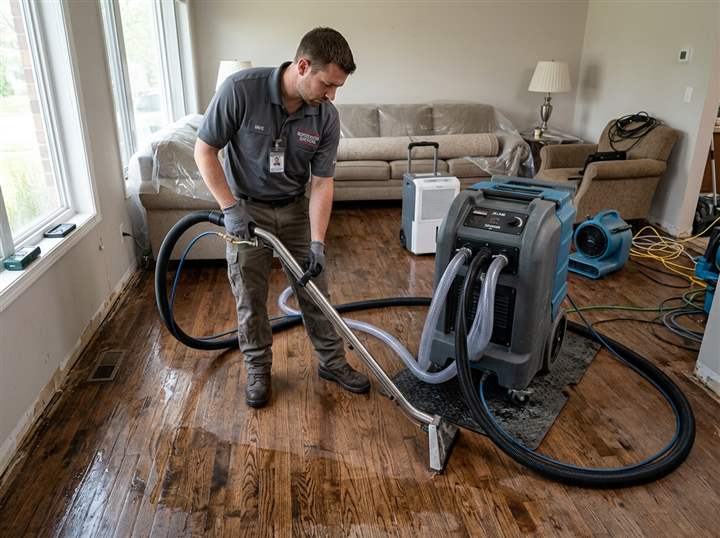
Appliance Water Damage
Water extraction, subfloor drying, cabinet moisture removal, and structural cleanup for washing machine, dishwasher, and water heater leaks in Marietta.
Roof Leak Water Damage
Ceiling water extraction, saturated attic insulation drying, thermal moisture mapping, and structural framing restoration after roof leaks in Marietta.
Crawl Space Water Damage
Standing water extraction, subfloor joist drying, saturated vapor barrier removal, and structural moisture remediation for crawl spaces in Marietta.
Need Water Damage Restoration in Marietta?
Call now to discuss your water damage situation and the next steps.