Water Damage Categories and Classes Overview
Technical breakdown of water contamination Categories 1 through 3 and evaporation load Classes 1 through 4 under professional restoration standards.
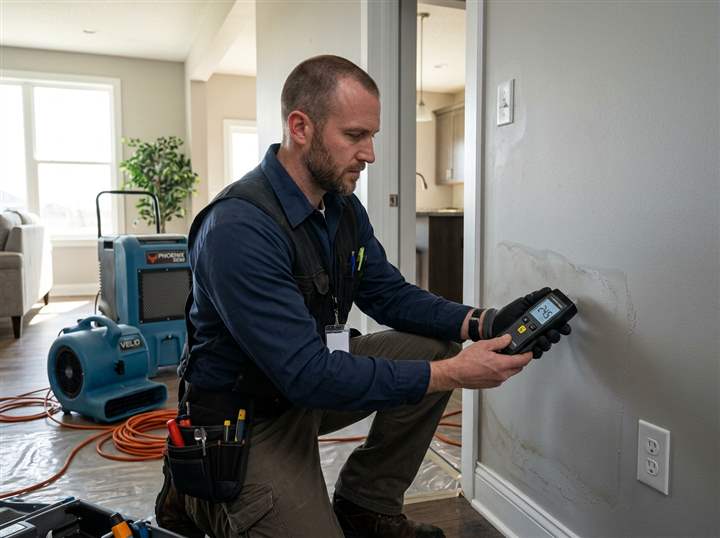
Understanding Water Damage Categories and Classes
Professional water damage restoration relies on two foundational evaluation metrics: Categories of Water (which define contamination hazards) and Classes of Water (which define evaporation loads and saturation extent).
Understanding water damage categories and classes helps property owners recognize required safety precautions, personal protective equipment requirements, and why certain porous building materials must be removed rather than dried.
Categories of Water: Contamination Level Metrics
Water contamination is evaluated based on the liquid source and potential health hazards:
Category 1: Clean Water Intrusion
Originates from sanitary water sources such as broken pressurized supply pipes, tub overflows without contaminants, or clean appliance supply lines. Poses no initial health risk if extracted promptly.
Category 2: Grey Water Contamination
Contains significant chemical or organic contamination that may cause discomfort or illness if contacted. Includes discharge from dishwashers, washing machines, or toilet overflows containing urine but no solid waste.
Category 3: Black Water / Gross Contamination
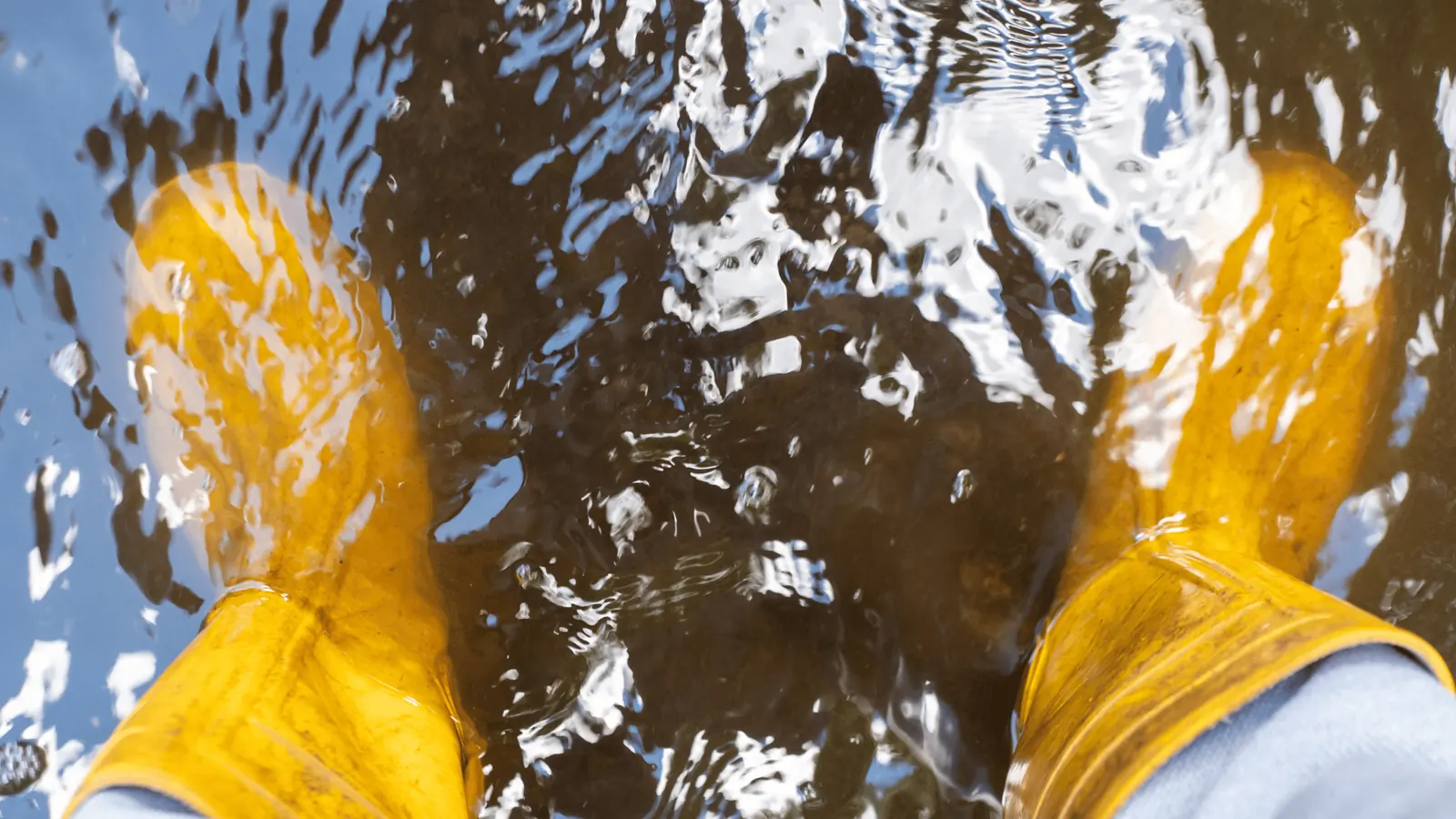
Grossly unsanitary water containing pathogenic bacteria, viruses, or toxic agents. Includes municipal sewer backups, rising floodwater from rivers or streams, or sea water. Porous materials contacted by Category 3 water must be safely disposed of.
March 2026 IICRC S500 Weather-Related Water Consensus Position
According to the formal position statement issued on March 16, 2026 by the ANSI/IICRC S500 Consensus Body:
"Top-down water ingress, wind-driven rain and water from weather related events are not automatically considered Category 3 Water."
The position statement clarifies that water categorization must be based on actual on-site evaluation of building materials, environmental factors, and contact duration rather than assumed automatic blackwater classification for storm water.
Classes of Water: Evaporation Load & Saturation Extent
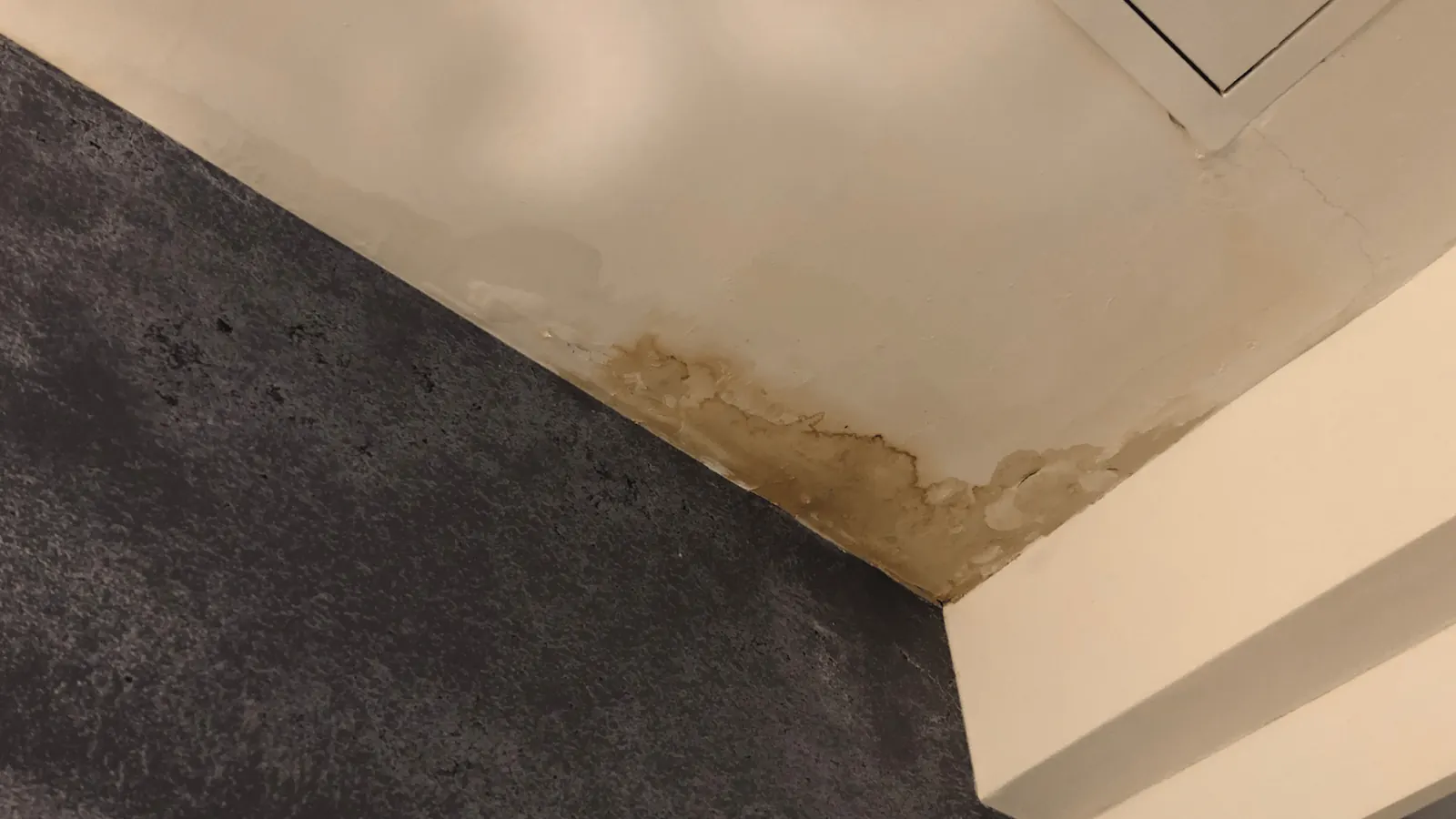
Classes describe the moisture evaporation load and help technicians calculate the quantity of commercial dehumidification equipment needed:
Class 1 (Slow Evaporation Rate)
Affects only part of a room or low-porosity materials (such as concrete or structural tile) with minimal moisture absorption.
Class 2 (Fast Evaporation Rate)
Affects an entire room of carpet and padding. Moisture has wicked up drywall less than 24 inches onto structural wall studs.
Class 3 (Fastest Evaporation Rate)
Water originates from above, saturating ceilings, walls, insulation, carpet padding, and subfloors throughout entire multi-story spaces.
Class 4 (Specialty Drying Situations)
Deeply bound water trapped in low-porosity structural materials such as hardwood flooring, plaster walls, brick, or thick concrete footings.
When to Call a Professional Restoration Specialist
Professional evaluation is strongly recommended under the following conditions:
- Water source involves Category 2 greywater or Category 3 sewer backflow.
- Class 3 or Class 4 saturation affects ceilings, wall cavities, or hardwood subflooring.
- Moisture has remained un-extracted for longer than 24 to 48 hours.
Frequently Asked Questions About Categories and Classes
What is the difference between water categories and water classes?
Water Categories describe the degree of water contamination (Category 1 clean, Category 2 grey, Category 3 blackwater). Water Classes describe the rate of evaporation and degree of material saturation (Class 1 through Class 4).
Can clean Category 1 water degrade into Category 2 or 3?
Yes. Clean water from a broken supply line can absorb dirt, chemical residues, or biological contaminants from building materials, or degrade if left standing for 24 to 48 hours.
Is rainwater entering through a roof leak automatically Category 3 blackwater?
Per the March 16, 2026 ANSI/IICRC consensus body position statement, top-down water ingress, wind-driven rain, and weather-related water entering through roof openings are not automatically considered Category 3 water.
What is a Class 4 specialty drying situation?
Class 4 involves deep moisture saturation in low-porosity materials such as solid hardwood flooring, plaster, or thick concrete slabs requiring specialized low-humidity drying equipment.
Data Sources & Referenced Standards
Technical classifications are compiled from official industry standards:
Related Guides
Marietta Service Hubs
Water damage restoration services are available across Cobb County municipalities:
Complementary Restoration Services
Explore additional specialized water damage, sewage, pipe repair, and flood cleanup services in Marietta.
Sewage Cleanup & Sanitization
Professional sewage backup removal, biohazard extraction, thorough decontamination, and odor elimination for properties in Marietta and Cobb County.
Crawl Space Water Damage
Standing water extraction, subfloor joist drying, saturated vapor barrier removal, and structural moisture remediation for crawl spaces in Marietta.
Roof Leak Water Damage
Ceiling water extraction, saturated attic insulation drying, thermal moisture mapping, and structural framing restoration after roof leaks in Marietta.
Need Water Damage Restoration in Marietta?
Call now to discuss your water damage situation and the next steps.